
When Should You Renovate Before Listing?
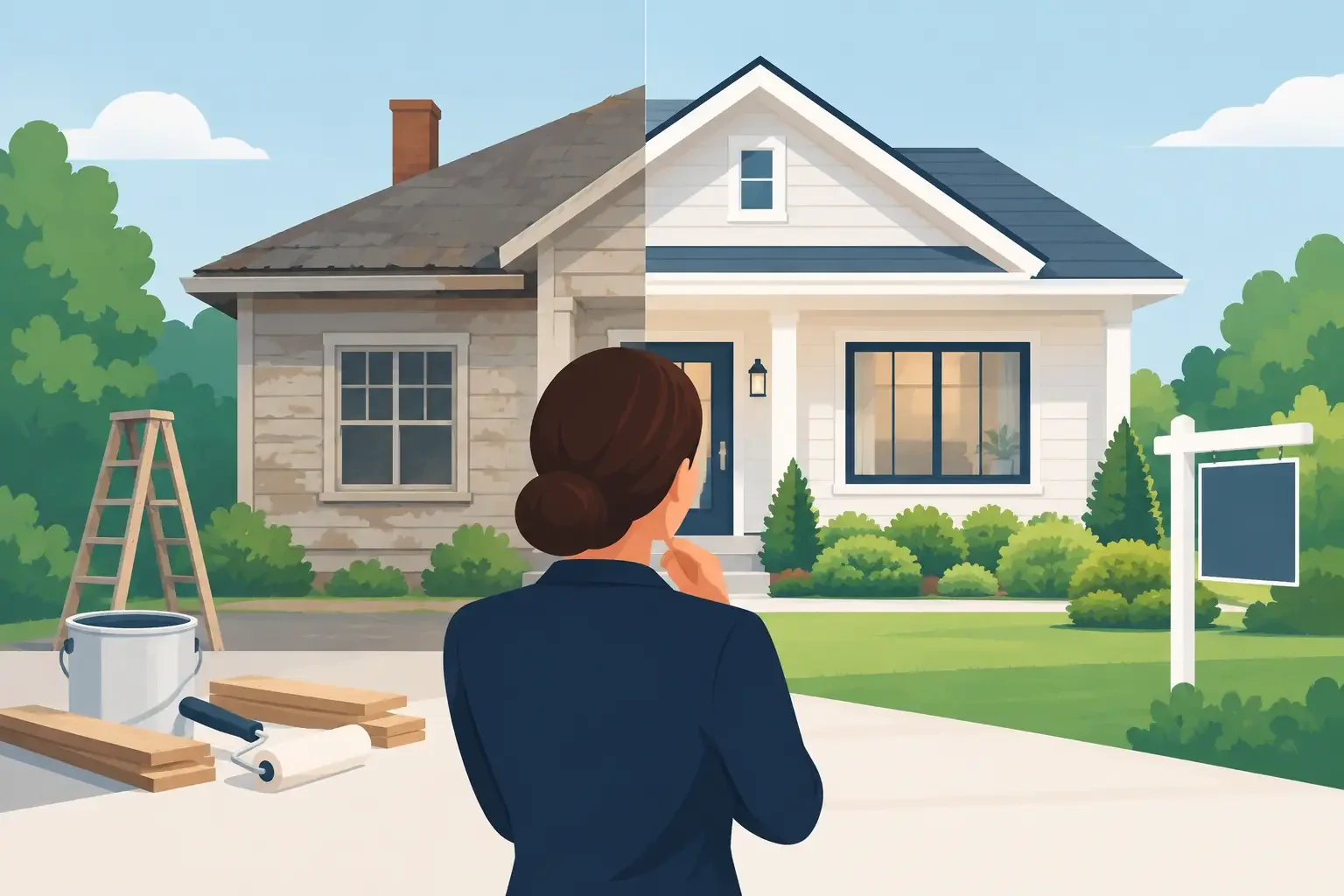
A home can be impeccably maintained and still feel one decision behind the market. Perhaps the kitchen works well but looks dark in listing photos. Maybe the bathrooms are clean yet clearly original, or the landscaping has not kept pace with the rest of the neighborhood. The question of when should you renovate before listing is not really about chasing every new design trend. It is about making strategic improvements that help buyers see value quickly, compete with confidence, and justify a stronger offer.
In the Mid-Peninsula and broader Silicon Valley, buyers often arrive well informed, time-constrained, and highly sensitive to condition. They compare your home not only with nearby listings, but also with the cost, disruption, and uncertainty of taking on work after closing. The right pre-sale updates can reduce that friction. The wrong ones can consume time and capital without improving your result.
When Should You Renovate Before Listing?
Renovate before listing when the current condition is likely to limit buyer interest, weaken your pricing position, or create a clear objection during showings. That does not automatically mean a full kitchen remodel or a costly expansion. More often, it means correcting the visible issues that make a buyer mentally add a discount to your asking price.
A renovation is usually worth considering when comparable homes in your price range show a noticeably higher standard of finish, when a key room looks functionally dated, or when deferred maintenance will raise questions in inspections. A worn roof, aging water heater, damaged flooring, leaking fixtures, peeling exterior paint, or neglected landscaping can make buyers wonder what else has been overlooked. Addressing these concerns before launch allows the home to be presented as cared for rather than as a project.
The decision becomes more nuanced with major work. If your kitchen was last updated 15 years ago but is clean, functional, and well laid out, a full replacement may not produce a dollar-for-dollar return. Fresh cabinet hardware, updated lighting, modern fixtures, refined paint colors, and professional staging may shift buyer perception more effectively than a months-long remodel.
The best answer depends on your home, neighborhood, target price, available timeline, and the current competition. A thoughtful preparation plan starts with market evidence, not a contractor’s wish list.
Renovate when it solves a buyer problem
The highest-value projects tend to remove objections rather than simply add features. If a home has one clearly dated bathroom, improving that room can help buyers feel the property is move-in ready. If the floor plan is strong but the interior feels dim, better lighting, fresh paint, and selective finish updates can create a meaningful change without altering the home itself.
Focus especially on the first impressions buyers form before they have seen every detail. Exterior condition, the entry, main living areas, kitchen, primary suite, and backyard often carry disproportionate weight. These spaces set the emotional tone of a tour and influence whether a buyer sees a home as well maintained, convenient, and worth pursuing.
Wait when the scope is too personal or too disruptive
Major renovations are not always a seller’s best move. A luxury kitchen designed around your personal preferences may not match the next buyer’s taste. An extensive remodel can also introduce permitting delays, supply issues, and contractor scheduling risk, all of which may cause you to miss a favorable listing window.
It may be wiser to sell with transparent pricing and a clear preparation strategy when the work requires structural changes, extensive permits, or a budget that cannot reasonably be recovered in the likely sales range. Buyers in many Bay Area neighborhoods are willing to renovate, particularly when the location, lot, schools, layout, or long-term potential are compelling. They are less forgiving when cosmetic neglect makes the property feel harder to evaluate.
Start With the Market, Not the Project
Before selecting tile or approving a paint color, look closely at the homes buyers will consider alongside yours. The relevant comparison is not the most polished property that sold six months ago. It is the active competition, recent sales at a similar price point, and the homes that did not sell quickly.
A strong pre-listing review considers condition, presentation, lot size, layout, location, and buyer expectations for the specific neighborhood. In Palo Alto or Menlo Park, buyers may place a premium on refined finishes and turnkey convenience. In Redwood City, San Carlos, Belmont, or Sunnyvale, the right answer can vary dramatically by street, school district, home style, and price range. A thoughtfully refreshed home may outperform a larger but poorly presented one, while a major remodel may be necessary to meet expectations in another segment.
This is also where pricing and renovation decisions connect. If a modest investment could move your home into a more competitive presentation tier, the work may be worthwhile. If the market will still view the home primarily as a land-value or redevelopment opportunity, costly cosmetic upgrades may not change the buyer pool enough to justify the expense.
Prioritize Improvements Buyers Can See and Feel
Most sellers benefit more from a coordinated preparation plan than a single dramatic project. Fresh interior paint, repaired walls, updated light fixtures, refinished or repaired floors, clean windows, and professional landscaping can make a home feel immediately more current. These improvements photograph well, support staging, and signal ongoing care.
Kitchens and bathrooms deserve careful judgment. In many cases, a targeted refresh is enough: repainting cabinetry where appropriate, replacing worn counters, updating faucets and lighting, regrouting tile, repairing caulk lines, and installing a clean mirror or vanity. These details may sound small, but together they can eliminate the visual cues that lead buyers to budget for a renovation.
Do not overlook systems and maintenance. Buyers may fall in love with a beautifully staged living room, but confidence can fade quickly when an inspection reveals unresolved issues. Completing sensible repairs, organizing records, and understanding the condition of major systems can support a smoother transaction. The goal is not to promise a perfect house. It is to prevent manageable issues from becoming negotiating leverage.
Curb appeal matters for the same reason. A tidy front yard, functioning exterior lights, refreshed front door, clean pathways, and healthy planting create a sense of arrival. In a market where many buyers first encounter a property online, the exterior also has to earn the click before it earns the showing.
Protect Your Budget and Timeline
Set a preparation budget based on the likely impact on marketability, not on the amount you believe a home “should” receive before sale. Every dollar does not need to come back directly through a higher appraised value. Some spending earns its return by attracting more qualified buyers, shortening days on market, reducing price pressure, or strengthening the terms of an offer.
At the same time, avoid treating every pre-sale expense as guaranteed profit. Market conditions shift, buyer preferences differ, and appraisals have limits. The most prudent projects are those that improve broad appeal while keeping costs and timing under control.
Build in a contingency for discoveries once work begins. Older homes can reveal electrical, plumbing, drainage, or dry rot concerns after a contractor opens a wall or removes an outdated fixture. If you have a firm move date, choose projects that can be completed reliably and reserve enough time for cleaning, staging, photography, and launch.
A hands-on advisor can make this phase far more manageable by helping prioritize work, coordinate trusted trades, and keep the presentation aligned with the expected buyer. At Clutch Property, that preparation is treated as part of the sale strategy, not as an afterthought.
Use Disclosures and Inspections Strategically
Pre-listing inspections can be useful when they help you understand the home’s condition early enough to make informed choices. They may reveal straightforward repairs that are better handled before buyers visit, and they can reduce surprises once offers arrive. In other cases, an inspection confirms that the home is sound and allows you to prepare clear documentation for prospective buyers.
Not every finding needs to be repaired. Some items are normal for a home’s age, and some are best disclosed and reflected in the price. What matters is deciding deliberately rather than reacting under deadline pressure. Buyers are more likely to accept an older system or an upcoming repair when the home is otherwise well prepared, the information is clear, and the price aligns with the condition.
The strongest pre-listing plan is rarely the most expensive one. It is the plan that makes your home easier to understand, easier to fall for, and easier to buy. Before committing to a renovation, walk the property through a buyer’s eyes and ask a practical question: will this work remove uncertainty, improve the first impression, or help the home compete more convincingly? If the answer is yes, it may be the right time to move forward. If not, a focused refresh, accurate pricing, and a well-managed launch can still put your sale in very good hands.