
What Is Earnest Money in Real Estate?
A home can look perfect on Sunday and have multiple offers by Tuesday. In that kind of market, buyers need more than enthusiasm - they need terms that show they are serious. That is where the question what is earnest money comes in. It is one of the first financial commitments a buyer makes after an offer is accepted, and it can influence how strong that offer feels to a seller.
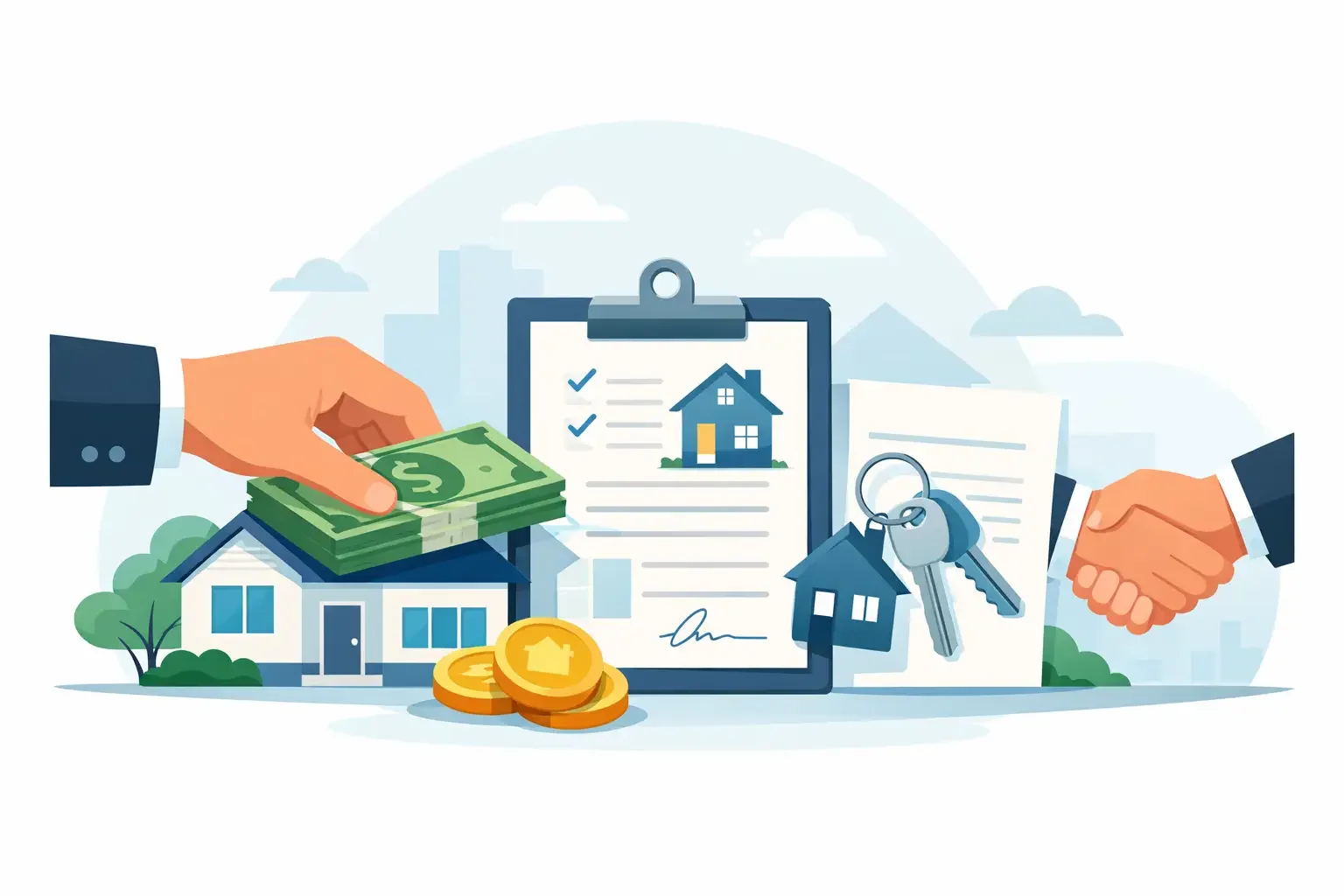
Earnest money is a good-faith deposit a buyer puts forward to show they intend to follow through on the purchase. It is not an extra fee layered on top of the price. In most cases, it becomes part of the buyer's total funds due at closing. Think of it as money that signals commitment while the transaction moves through inspections, disclosures, financing, and final approval.
Because Bay Area contracts can move quickly and competition can be intense, earnest money deserves more attention than it sometimes gets. Buyers want to know how much is normal, when the money is due, whether it is refundable, and what puts it at risk. Sellers want confidence that the buyer has both the means and the intent to close. The deposit sits right at the center of that trust.
What is earnest money and why do buyers pay it?
At its core, earnest money helps align both sides of the deal. A seller takes the home off the market once they accept a contract. In return, the buyer shows they are not casually tying up the property while they decide whether they really want it.
That deposit is usually delivered to a neutral third party, often an escrow company, where it is held until closing or cancellation under the terms of the contract. The exact timing depends on the purchase agreement, but it is commonly due within a few business days after acceptance.
For buyers, earnest money shows credibility. For sellers, it offers a measure of protection if the buyer walks away without a valid contractual reason. That does not mean sellers automatically get the deposit whenever a deal falls apart. Whether the money is returned, forfeited, or disputed depends on the contract language and the timing of the cancellation.
How much earnest money is typical?
There is no single nationwide rule. The amount varies by market, price point, and negotiating strategy. In some areas, buyers may offer 1 percent of the purchase price. In others, especially in our California markets, the figure is 3 percent.
That range matters because a larger deposit can make an offer feel stronger. Sellers often read earnest money as a sign of confidence and financial readiness. But bigger is not always better. A buyer should never offer an amount that would create financial strain or expose them to unnecessary risk if the transaction runs into trouble.
This is where local guidance matters. In a multiple-offer situation in Palo Alto, Menlo Park, or Los Altos, a meaningful earnest money deposit may help a buyer compete. In a slower segment of the market, a more moderate amount may be completely appropriate. The right number is strategic, not automatic.
Is earnest money refundable?
Sometimes yes, sometimes no. This is the part buyers need to understand before they sign.
Earnest money is often refundable if the buyer cancels the contract under a valid contingency and within the required time frame. Common contingencies include inspection, financing, and appraisal, though the exact protections depend on the agreement. If a buyer has an inspection contingency and discovers an issue they are not willing to accept, they may be able to cancel and recover the deposit. If they waive that contingency, their position changes significantly.
Timing is everything. A buyer may have strong contractual protections early in escrow, then lose them as contingency periods expire. Once those protections are removed, the deposit can be at much greater risk. That is why experienced representation is not just about writing an offer. It is about managing dates, disclosures, decisions, and communication all the way through closing.
When can a buyer lose earnest money?
The simplest answer is this: a buyer is most likely to lose earnest money when they back out of the deal without a contractual right to do so.
For example, if a buyer removes all contingencies and then decides they no longer want the property because of cold feet, a job change, or a better option elsewhere, the seller may have a claim to the deposit. If financing falls through after the financing contingency has already been removed, that can also create serious exposure.
That said, earnest money is not always released automatically to the seller. In many cases, both parties must sign instructions for the funds to be disbursed. If there is a dispute, the money may remain in escrow while the issue is negotiated or legally resolved. That is one reason clear contracts and careful guidance matter so much from the beginning.
How earnest money works at closing
If the transaction closes successfully, earnest money is usually credited toward the buyer's down payment and closing costs. It is part of the money the buyer was going to bring to the transaction anyway.
Say a buyer is purchasing a $2 million home and their contract calls for a 3 percent earnest money deposit. That $60,000 is not separate from the rest of their closing funds. It is applied to the amount due at closing. Buyers still need enough liquidity for the remaining down payment, lender requirements, closing costs, and reserves, but the deposit counts toward the purchase.
This is why earnest money should be viewed as committed funds, not incidental funds. Buyers need to know where that money is coming from, how quickly it can be transferred, and whether any account movement could affect their mortgage approval.
What sellers look for in an earnest money deposit
Sellers are not only looking at price. They are looking at confidence, reliability, and the likelihood that the deal will actually close.
A solid earnest money deposit can strengthen an offer because it suggests the buyer is prepared and serious. But sellers also look at the whole package. A high deposit paired with weak financing or vague terms may not be as appealing as a slightly lower deposit backed by strong underwriting and clean timelines.
From the seller's side, earnest money helps reduce the risk of lost market time. If a buyer ties up the property for two weeks and then disappears without cause, the seller may have missed other opportunities. The deposit is designed to discourage that kind of behavior.
What buyers should think about before offering earnest money
Before agreeing to any deposit amount, buyers should think through the practical and contractual side of the decision.
First, know the source of funds. If the money is in stocks, business accounts, or an account that requires extra transfers, timing can get tight. Second, understand the contingency structure. The more protections you keep, the more paths you may have to recover the deposit if something changes. The more protections you waive, the stronger your offer may look, but the more risk you take on.
Third, look at the property itself. A newer condo with clean disclosures and straightforward financing may feel very different from an older home with deferred maintenance, unpermitted work, or a complex appraisal story. The same earnest money strategy does not fit every purchase.
In our market, buyers are often balancing competitiveness with caution. That balance is where good advice earns its keep. A well-structured offer should help you compete without leaving you exposed unnecessarily. That is the kind of hands-on guidance clients expect from a team like Clutch Property.
What is earnest money really telling you?
It tells you how serious the contract is becoming.
Once earnest money is deposited, the transaction shifts from conversation to commitment. The buyer has money in escrow. The seller has agreed to a path toward closing. Both parties are now operating under deadlines and legal obligations, not just intentions.
That is why earnest money matters more than people think. It is not just a line item on a purchase agreement. It reflects leverage, trust, risk, and momentum. In a fast-moving market, those details can shape whether a deal feels secure or shaky from the start.
If you are buying a home, the smartest approach is not just asking how much earnest money to offer. It is asking how that deposit fits into the broader strategy of your offer, your protections, and your ability to close with confidence. The right plan should leave you feeling competitive, clear-headed, and taken care of at every step.