
How to Buy Before Selling a Home
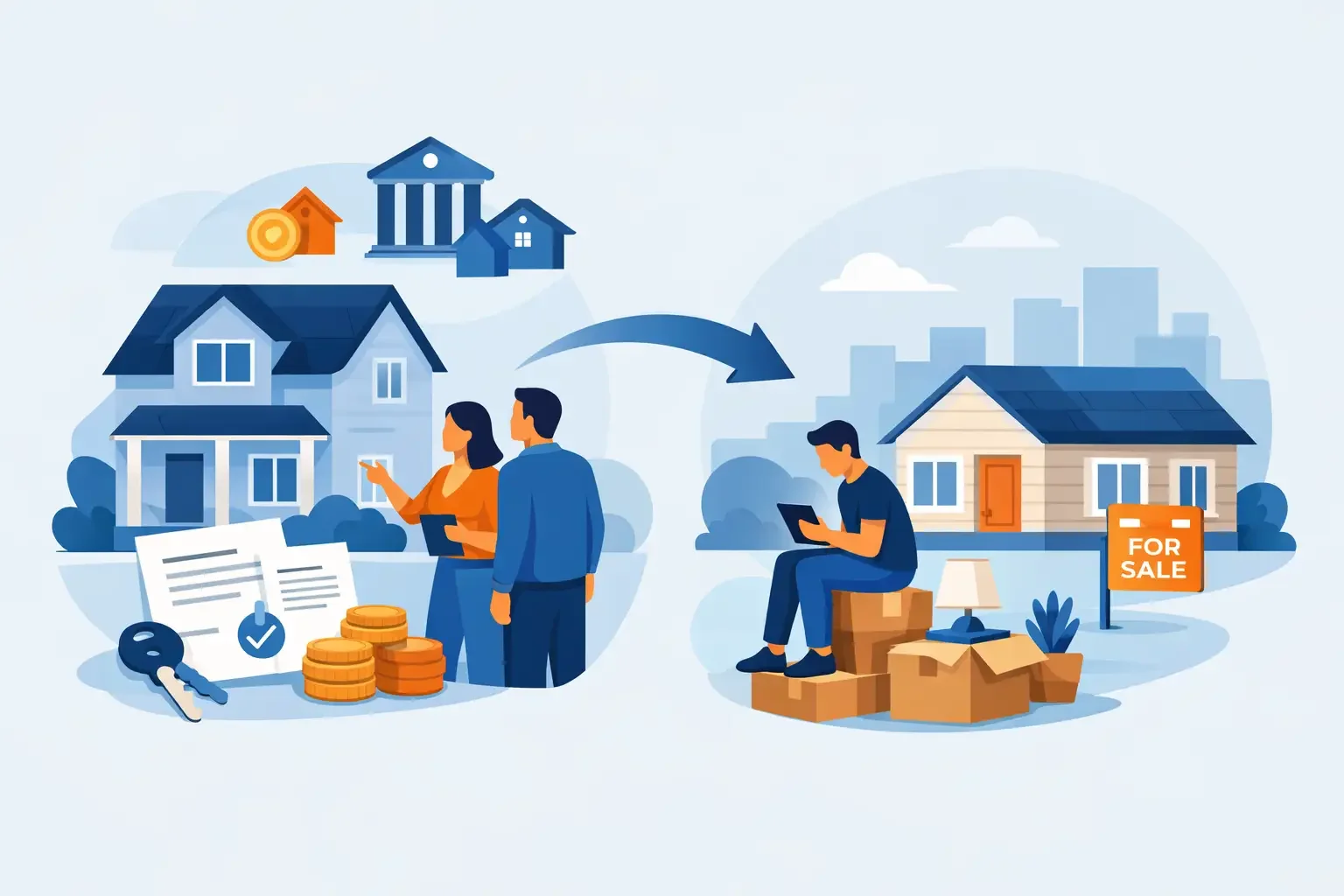
You find the right house on a Thursday. By Saturday, there are three offers on it. Meanwhile, your current home is still full of furniture, a few unfinished projects, and a timeline that feels anything but certain. That is exactly why so many Bay Area homeowners ask how to buy before selling - because waiting can mean missing the home you actually want, but moving too soon can create real financial pressure.
In the Mid-Peninsula and greater Silicon Valley market, this decision is rarely just about sequence. It is about cash flow, risk tolerance, school calendars, interest rates, and how competitive the next purchase will be. For some households, buying first creates breathing room and better moving logistics. For others, it can stretch finances too far. The right path depends on your equity, borrowing power, and how much support you have in preparing your current home for sale.
How to buy before selling without overextending
The biggest misconception is that buying before selling is only for all-cash buyers. In reality, many homeowners do it with the right financing structure and a clear plan. The key is knowing what you can comfortably carry if your current home does not sell as quickly as expected.
Start with a full review of your numbers, not just a rough estimate from an online calculator. You need to understand your current mortgage balance, likely sale price, estimated net proceeds, available cash reserves, and what a lender will approve if you keep your existing home temporarily. In higher-priced markets, approval alone is not the whole story. The better question is whether the monthly payment feels manageable under a less-than-perfect scenario.
That matters because timing in real estate is never exact. Your next home may close before your current one sells. You may need to carry two housing payments for a month or two. You may also need funds for repairs, staging, or pre-sale improvements to get the strongest result on your existing property. A realistic plan leaves room for those costs instead of assuming every date lines up perfectly.
The four most common ways to buy first
There is no single formula for how to buy before selling. Most homeowners use one of four approaches, and each comes with trade-offs.
1. Use cash on hand or accessible assets
This is the simplest option if you have enough liquidity. Some buyers use savings, brokerage funds, or family trust resources to cover the down payment and closing costs before they receive proceeds from their sale.
The benefit is speed and flexibility. You can write a cleaner offer and move without relying on your current home to close first. The downside is that tying up a large amount of cash may not be ideal, especially if you also need funds to prepare your existing property for market.
2. Qualify for the new mortgage while keeping the old one
Some homeowners have enough income to carry both homes for a period of time. If your lender can approve the purchase without requiring the sale of your current property, this can be an effective route.
The advantage is control. You can move into the new home first, then handle repairs, paint, flooring, or staging in the old home without living through the disruption. The challenge is straightforward: carrying two properties, even briefly, can feel expensive and stressful if the timeline stretches.
3. Use a bridge loan or other short-term financing
A bridge loan is designed to help homeowners access equity from their current home before it sells. This can provide funds for the down payment on the next purchase.
For the right client, bridge financing creates options that otherwise would not exist. But it is not automatic, and it is not cheap money. Rates, fees, and qualification standards vary. This is one of those situations where structure matters a great deal, and you want both your lender and your real estate advisor aligned from the start.
4. Buy with a home sale contingency
A home sale contingency means your purchase depends on selling your current home first. Financially, this can be the most conservative path.
The trade-off is competitiveness. In a fast-moving market, sellers often prefer offers with fewer contingencies. That does not mean this option never works, but it tends to work better when the property has been sitting longer, the seller has flexibility, or your overall offer is strong enough to offset the contingency.
What sellers care about when your offer depends on another sale
If you are trying to buy before selling, remember that the seller of the next home is not just evaluating price. They are evaluating certainty.
A contingent offer can still be credible if your current home is already on the market, properly priced, well prepared, and likely to move quickly. It is far less appealing if your home is not listed yet or if there is no clear strategy behind the sale. This is where preparation becomes more than a nice extra. It directly affects your leverage on the buy side.
In many cases, the best way to strengthen a buy-first plan is to get your current home fully ready before you write on the next one. That might mean completing inspections early, organizing repairs, gathering disclosures, and having staging, photography, and launch timing mapped out. When those pieces are in place, your move is more believable to everyone involved.
Timing matters more than people think
Buying first can make life easier logistically. You avoid temporary housing, multiple moves, and the pressure of trying to find your next home while your current one is already in contract. Families with children, pets, or demanding work schedules often value that breathing room.
Still, convenience has a cost if the timing is not managed carefully. If the new purchase closes too early, you may feel rushed to sell. If you wait too long to prepare the current home, you may lose valuable market momentum. The smoother approach is usually to work backward from likely closing windows and create a plan that coordinates financing, property prep, and listing strategy at the same time.
That is especially true in neighborhoods where presentation drives price. A home that needs paint touch-ups, light renovation, landscaping, or better market positioning may earn significantly more with a few weeks of focused preparation. Selling after you move out can make that process much easier. But it only helps if those improvements are intentional and tied to market expectations, not just a long wish list.
How to decide if buying before selling is right for you
This is where the conversation becomes personal. Two households with the same amount of equity may make very different choices, and both can be right.
If you value certainty above all else, selling first may feel better even if it means a short-term rental or temporary move. If your priority is securing a specific type of home in a tight market, buying first may be worth the extra planning. If your current home needs work to achieve top dollar, moving out before selling can create a cleaner path and often a better presentation.
The decision usually comes down to three factors: how strong your finances are, how competitive your target purchase will be, and how much execution support you have on the sale of your current home. If one of those pieces is weak, risk increases. If all three are strong, buying first becomes far more workable.
A practical strategy for Bay Area homeowners
For many Mid-Peninsula and Silicon Valley clients, the strongest approach is not simply buy first or sell first. It is plan both at the same time.
That means talking with a lender early, understanding your true borrowing range, evaluating likely net proceeds, and building a sale preparation timeline before you start writing offers. It also means being honest about your comfort level. Some clients can carry overlap without concern. Others would rather move more conservatively and sleep better at night.
A hands-on advisor can make a meaningful difference here, especially when the sale side involves contractor coordination, presentation planning, inspections, and launch timing. When those details are handled well, you are not just reacting to the market. You are moving through it with a plan.
For clients working with Clutch Property, that often means looking at the full picture at once - not just what home to buy, but how to position the current property, reduce disruption, and keep every step aligned with the outcome they want.
If you are wondering how to buy before selling, the smartest next step is not guessing. It is getting clear on your numbers, your timing, and the kind of support that will help you feel genuinely taken care of when the right home appears.