
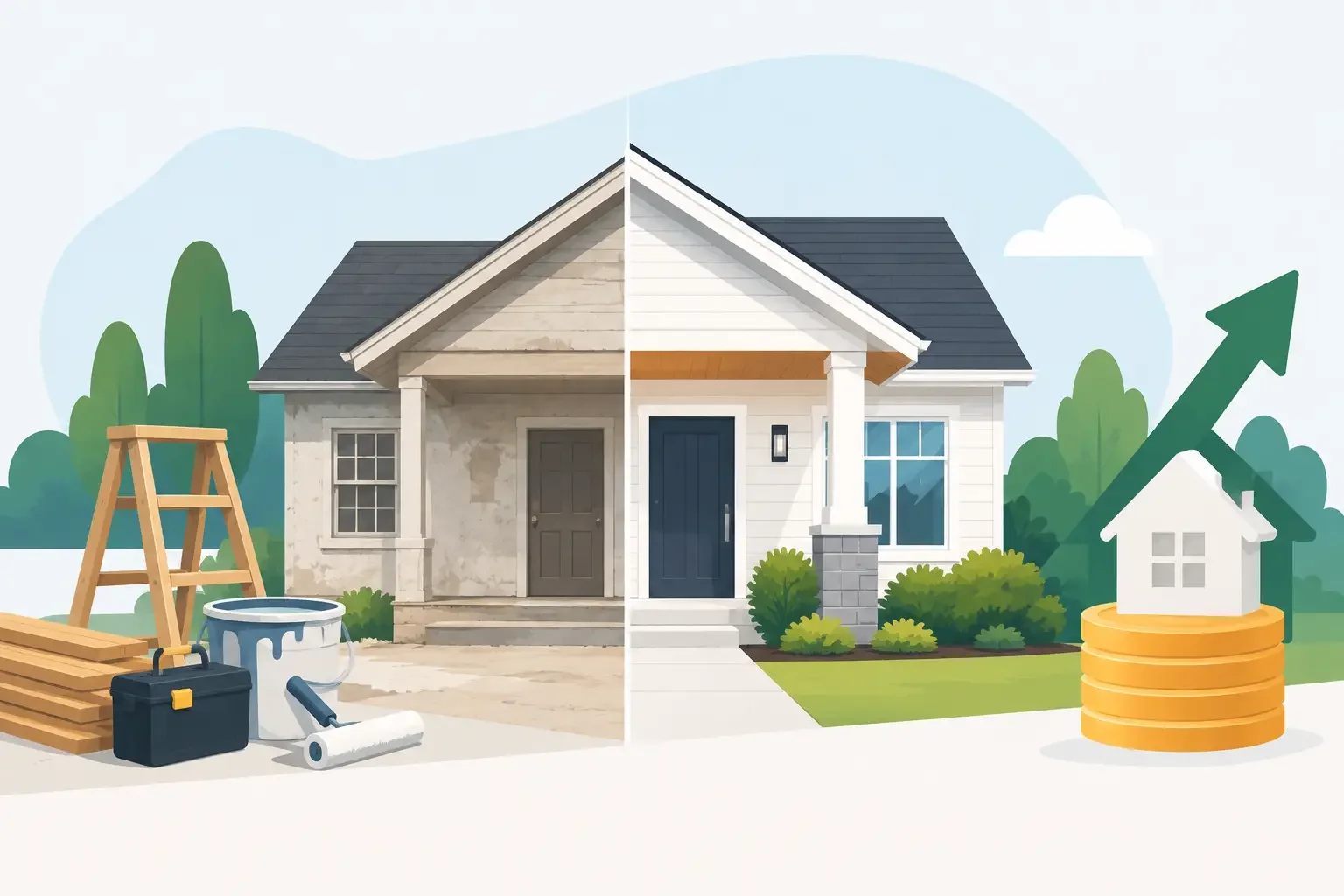
A freshly remodeled kitchen can make buyers picture their first dinner party before they have even reached the living room. But do renovations increase appraisal value in the same way they increase buyer excitement? Sometimes. The answer depends on the work itself, the home’s starting condition, nearby comparable sales, and what buyers in your specific Mid-Peninsula market expect.
For homeowners preparing to sell, that distinction matters. A renovation can help your property show better, attract stronger offers, and reduce buyer objections even when an appraiser does not assign a dollar-for-dollar increase to every finish or fixture. The goal is not simply to spend more. It is to make strategic improvements that support a confident market position and a well-documented valuation.
How an appraisal looks at a renovated home
An appraisal is an opinion of market value, generally prepared for a lender to confirm that the property supports the buyer’s loan amount. The appraiser evaluates the home’s size, layout, location, condition, features, and recent comparable sales. In a high-value market such as Palo Alto, Menlo Park, Los Altos, or San Carlos, land value and neighborhood demand can carry enormous weight alongside the home itself.
Appraisers do not price a home by adding up construction invoices. A $150,000 kitchen remodel does not automatically translate to a $150,000 increase in appraised value. Instead, the appraiser asks a market-based question: What have similar homes with similar levels of condition and utility actually sold for?
That is why a thoughtful renovation may still be worthwhile when the direct appraisal adjustment seems modest. If your home was clearly dated relative to competing listings, bringing it in line with the market can prevent a condition discount. It can also improve the quality of offers you receive, shorten time on market, and make buyers more comfortable competing. Those benefits can be meaningful, even though they are not always reflected as a line-by-line appraisal adjustment.
Do renovations increase appraisal value? The projects that tend to help
Renovations are most likely to support value when they improve a home in ways buyers can compare across recent sales. Condition, functionality, and livability tend to matter more than highly personal design choices.
A well-executed kitchen renovation often helps when the existing kitchen is worn, poorly laid out, or substantially behind comparable homes. The same is true of updated bathrooms, especially when old finishes, water damage, or an impractical configuration create a visible drawback. Buyers may pay more for a move-in-ready home, and appraisers can often support that premium when nearby renovated sales provide credible evidence.
Added legal living space can also affect value, but it deserves careful planning. A permitted bedroom, bathroom, or family room addition may increase the home’s utility and square footage. The value assigned will vary based on neighborhood norms and comparable sales. In many Bay Area communities, adding a second bathroom or creating a more functional primary suite can be particularly meaningful, yet the return still may not equal the build cost.
Other improvements that can support appraisal value include a new roof, updated electrical or plumbing systems, modern HVAC, energy-efficient windows, and repaired foundations or drainage issues. These projects are not always the most visually exciting, but they address risk and deferred maintenance. They can help an appraiser view the home as well cared for rather than discounting it for anticipated repairs.
Outdoor improvements can matter, too, particularly where usable space is scarce or highly valued. A finished patio, thoughtful landscaping, improved privacy, or a functional indoor-outdoor connection may strengthen buyer appeal. A lavish backyard project, however, may have a narrower audience than a clean, versatile outdoor setting.
Where renovation returns can fall short
Over-improving for the neighborhood is one of the most common mistakes. If most nearby homes sell with standard finishes and your renovation introduces luxury materials far beyond what local buyers typically reward, you may enjoy the home more without recovering the full investment at appraisal or resale.
Highly customized work can create a similar issue. Bold tile, a specialty wine room, a recording studio, or a chef’s kitchen designed around one household’s habits may be beautifully done, but not every buyer will value it the same way. Appraisers need market evidence, not just craftsmanship, to justify an adjustment.
Timing matters as well. If the market shifts while work is underway, the comparable sales available at appraisal may not support the premium you expected. This is especially relevant when mortgage rates, inventory, or buyer demand are changing quickly. A renovation plan should be tied to current local conditions, not an assumed return based on headlines from a year ago.
Finally, unpermitted work can complicate the picture. An appraiser may give limited or no credit for added square footage or converted space that cannot be verified as legal living area. Buyers, lenders, and insurers may also raise questions. Before beginning a major project, understand what permits are required and retain final approvals, plans, and receipts.
Appraisal value and sale price are related, not identical
Homeowners often hear that a renovation “added value” after receiving a strong offer. That can be true from a sales perspective, but it is different from the lender’s appraised value. In a competitive situation, buyers may be willing to pay for design, convenience, location, school preferences, or emotional connection beyond what the appraisal supports.
If the appraisal comes in below the contract price, the buyer and seller need a plan. The buyer may bring in additional cash, the parties may renegotiate, or the lender may review additional comparable sales. This is why careful pre-sale positioning is so useful. A home that is prepared, priced with discipline, and supported by relevant market evidence is better positioned to withstand appraisal scrutiny.
For sellers, the practical question is not just, “Will this renovation appraise?” Ask whether it will make the home more competitive against the properties buyers will see during the same weekend. In many cases, fresh paint, refinished floors, lighting updates, landscaping, targeted repairs, and professional staging create more reliable selling leverage than a major last-minute remodel.
A smarter way to decide what to renovate before selling
Start with the gap between your home and its most relevant competition. If comparable homes have updated kitchens, clean inspections, and polished outdoor spaces while yours has dated finishes and visible maintenance issues, targeted preparation is likely to matter. If your home already meets or exceeds local expectations, large projects may offer less upside.
Next, separate essential repairs from discretionary upgrades. Address leaks, damaged surfaces, unsafe electrical conditions, pest concerns, and deferred maintenance first. These issues can create appraisal problems and give buyers reasons to lower their offers. Then focus on improvements that make the home feel brighter, cleaner, more current, and easier to move into.
Finally, match the scope to your sale timeline. A six-month renovation might make sense for one property, while another seller will benefit more from three weeks of focused preparation. The right approach should account for contractor availability, permitting, carrying costs, and the seasonality of your local market.
A hands-on property advisor can help you weigh those trade-offs before you commit. Clutch Property works with sellers to identify the work that is likely to improve presentation and marketability, coordinate trusted trades when needed, and keep the process moving toward a clear sale strategy.
Give the appraiser a clear record of the work
When renovation work is complete, prepare a concise property package for the appraiser. Include permits and final sign-offs, a list of improvements with completion dates, major contractor invoices, warranties, and any details that are not obvious during a brief walkthrough. Note system upgrades such as a new roof, sewer line, electrical panel, or HVAC equipment.
The package should inform, not pressure. An appraiser must reach an independent conclusion, but accurate documentation helps ensure that meaningful work is not overlooked. Your agent can also provide relevant nearby sales and explain distinctions between your property and less comparable homes, particularly when recent transactions do not tell the full story.
The best renovation decision starts with a clear view of the home you have, the buyers you want to attract, and the properties those buyers can choose instead. Put your investment where it removes friction and strengthens confidence, then let the market see a home that feels genuinely taken care of.